The £4 Ankh: Thrifting Egyptian Jewellery Without the Tourist Tat
Photo: vintage silver ankh pendant and scarab ring flat lay on linen, secondhand jewellery, via i.pinimg.com
Charity shops are where Egyptian jewellery goes to be misunderstood. A brass ankh sits between a broken brooch and a novelty teaspoon, priced at £3.50, and nobody behind the counter knows whether it's a bargain or a paperweight. That uncertainty is exactly the opening you want. Walk past the glass cabinet and head for the rail.
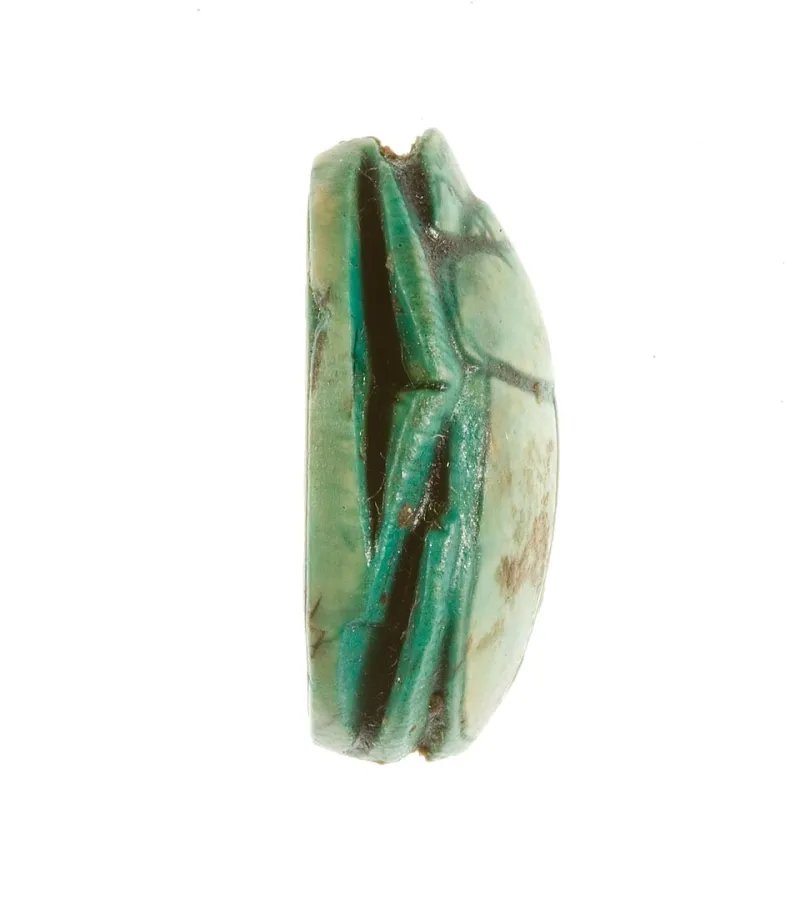
Thrifting Egyptian-inspired pieces is not the same as thrifting a trench coat. The category is small, weirdly distributed and heavily polluted by holiday souvenirs. But the upside is real: a decent sterling ankh or a carved scarab ring bought secondhand costs less than a high-street chain pendant, and it arrives with a bit of history already attached. Sustainability is the bonus, not the pitch.
Shop the rail, not the window
Charity shops in the UK tend to merchandise jewellery in three places: a locked cabinet, a hanging carousel near the till, and a tangled box of 'costume' that nobody has priced properly. The box is your friend. Oxfam and British Heart Foundation shops with a dedicated jewellery section are worth a weekly loop, but the smaller local hospices and Age UK branches often have the better unedited piles.
Car boot sales reward an early start. Get there for the gate opening, take cash in small notes, and don't be shy about asking sellers if they have 'any old jewellery' under the table. Vintage fairs — Judy's Affordable Vintage Fair, local kilo sales, church hall events — sit at the other end: better curated, higher prices, more chance of a hallmarked piece.
How to spot tourist tat at ten paces
Most bad Egyptian jewellery gives itself away before you touch it. Look for these tells:
- Feather-light weight. A pendant that feels like a crisp packet is plated base metal or aluminium.
- Rainbow enamel. Multicoloured enamel on a winged scarab is almost always souvenir stock.
- Glued stones. If the cabochon sits proud in a smooth bed with no prongs or bezel, it's glued. It will fall out.
- Adjustable open bands. Rings that bend to fit any finger are costume, full stop.
- Random hieroglyphs. Tourist cartouches often use decorative nonsense. A genuine cartouche is a vertical oval closed by a horizontal bar at the base.
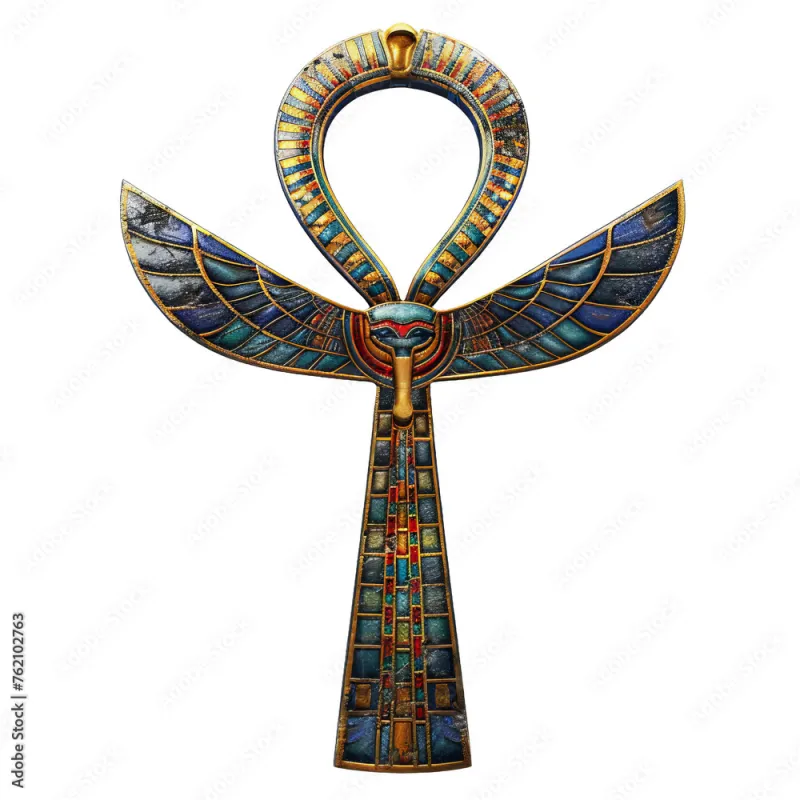
- Wrong ankh proportions. The loop should be roughly a third of the total height. Squat, fat loops read as keyrings.
Hallmarks, weight and clasps
On silver, look for '925' or 'sterling' near the bail or inside the band. UK hallmarks — an anchor for Birmingham, a lion passant for sterling — are a strong signal. Gold should carry a carat mark: 375, 585 or 750. A magnet is a crude but useful test; silver and gold aren't magnetic, though some stainless steel is, so treat a positive result as a warning rather than a verdict.
Check the bail for wear. A thin, elongated hole where the chain has rubbed for years usually means the piece has actually been worn, which is a good sign. A bright, unworn jumper ring on a dull pendant is a bad sign. Give chains a gentle tug at the clasp.
The cartouche problem
Pre-owned cartouches come with someone else's name on them. You have three options: treat it as an anonymous glyph composition, ask a jeweller to re-engrave the blank side, or embrace the absurdity of wearing a stranger's initials. A local engraver will usually redo a flat-backed silver cartouche for £15–£30, which still undercuts buying new.
Cleaning a rescued piece
Warm water, a drop of washing-up liquid and a soft toothbrush will handle most grime. Silver dip works on plain sterling but will strip oxidised finishes and attack porous stones. Skip the ultrasonic cleaner for turquoise, opal, pearl and anything glued. Dry thoroughly, especially behind the bail, and store in a zip bag with an anti-tarnish strip. Green fingers after wearing usually means plated brass, not silver — clean the skin, not the ring.
Build the outfit around one find
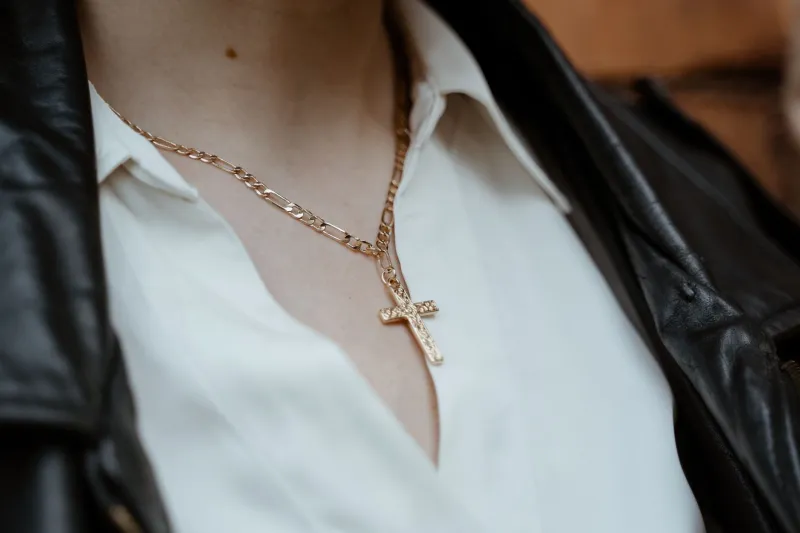
One good pre-owned piece can carry a whole look. A tarnished silver ankh on a 50cm chain over a plain black tee, an oversized chore jacket, straight-leg jeans and scuffed trainers is a complete outfit that cost less than a night out. A carved scarab ring on the index finger does the same job with less noise. The rule is simple: one Egyptian reference per outfit, everything else neutral. Let the charity shop do the talking.
Where to look in 2026: local hospice shops first, car boots second, vintage fairs third, and eBay saved searches for 'sterling ankh' and 'silver scarab ring' as the background hum. Set a £20 ceiling and stick to it. The best finds come to those who check often, not those who spend big.