The Nameplate You'll Actually Wear: Cartouche Jewellery for UK Streetwear
Cartouche jewellery has a reputation problem. In the wrong hands it can look like something bought from a museum gift shop beside a fridge magnet. In the right hands — or, more accurately, on the right chain — it looks like a nameplate with a bit of history behind it. The difference is not the hieroglyphs. It is the decisions you make before you order.
Start with the name, not the glyphs
A cartouche is an oval frame used in ancient Egypt to enclose a royal name. Modern jewellers use the same shape for personal names, which means you are asking for a transliteration, not a translation. You do not need a hieroglyph for every English letter. You need a phonetic version of your name that reads clearly in the glyph system your jeweller uses.
Short names are easy. Names with silent letters, double consonants or sounds that do not exist in Middle Egyptian are not. Ask for a proof. A good jeweller will show you the glyph order and explain the direction. Hieroglyphs can run left to right or right to left; the clue is which way the bird or figure faces. Decide whether you want your full name, a nickname, initials or a short word. Initials can look cleaner on a small plate. Full names need width.
Do not pick symbols because they look nice and hope for the best. That is how you end up with a necklace that says something adjacent to your name, or nothing at all. If you are commissioning a piece, confirm the spelling in writing and keep the proof. It is the difference between personal and novelty.
Metal and size for actual UK wear
For UK wear, sterling silver is the sensible starting point. It is affordable, repairable and sits well with the black, grey and navy that dominate British streetwear. 9ct gold is the practical gold option; 18ct if budget allows. Gold vermeil is fine for occasional wear but check the thickness of the plating if you plan to wear it daily. Stainless steel is the budget workhorse, though the finish can look flatter than silver. If you have sensitive skin, ask about nickel content and look for nickel-free or hypoallergenic descriptions.
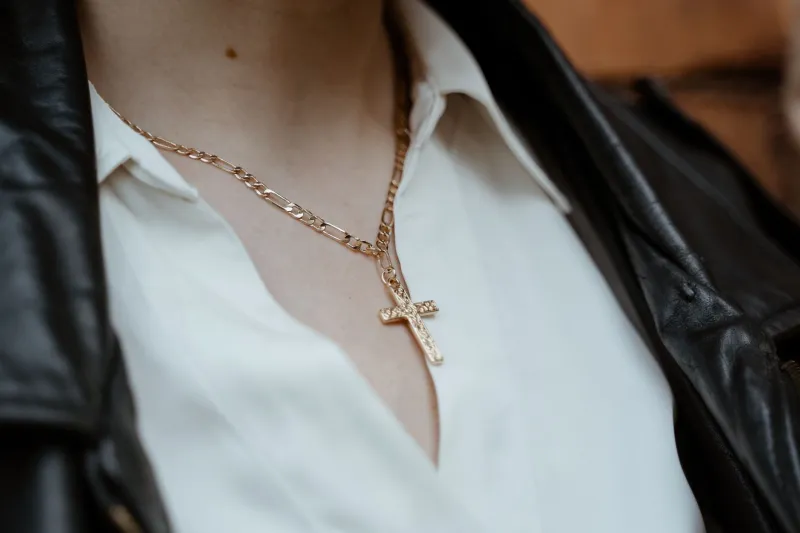
Plate size matters more than chain length. An 18–22mm plate is a good everyday size; it reads as jewellery, not a medallion. 25–30mm is a statement. Anything over 35mm needs a reason. For chains, UK buyers usually work in inches, but check the centimetres too. 16in/40cm sits at the throat; 18in/45cm is the collarbone; 20in/50cm works over a hoodie; 22in/55cm sits over a sweatshirt; 24–26in/60–66cm is for outerwear. A cartouche is a flat plate, so it will twist on a fine chain. A slightly heavier chain or a fixed bail keeps it facing forward.
How to style it without the costume
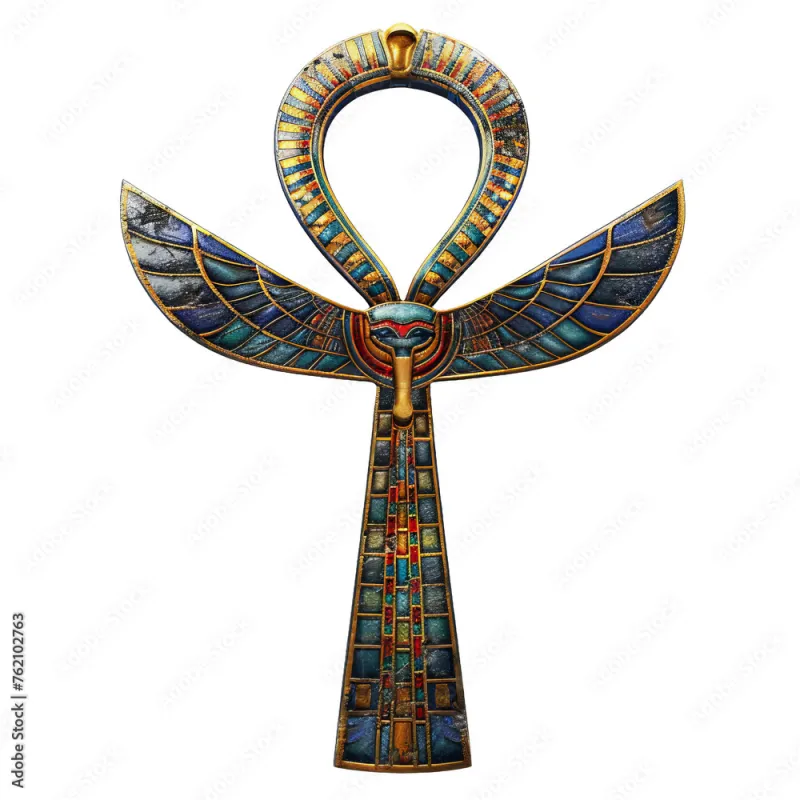
With a hoodie, wear the chain outside the hood, not tucked under it. A 20–22in silver chain over a grey or black hoodie is the easiest win. With a leather jacket, keep the plate small and the chain short enough to sit in the V of a tee. With tailoring, go longer and simpler: a 22–24in chain over a plain shirt, under a blazer, or outside a fine knit. Do not stack it with an ankh, a scarab and a cuff all at once. Let the nameplate be the loud piece and keep everything else quiet.
The same rule applies to colour. If your jacket has silver hardware, stay silver. If you are wearing gold-toned buttons or a warm-toned knit, gold-tone or vermeil will look more deliberate. Mixing metals can work, but it needs repetition. One silver cartouche, silver rings and a silver cuff reads as a choice. One silver cartouche, gold hoops and a brass belt buckle reads as an accident.
Gifting advice for the 2026 festive season
For the 2026 festive season, bespoke means lead time. Order by early November if you want it under the tree, and confirm the spelling in writing. Ask for a digital proof and check the direction of the glyphs. If you are buying for someone else, a gift card or a made-to-order voucher is safer than guessing a nickname. Check the returns policy; personalised pieces are often non-returnable.
A cartouche is a good gift because it is specific. It just needs to be specific in the right way. Get the name right, get the scale right and wear it with clothes you already own. That is how an ancient symbol becomes a modern nameplate — and not a costume piece.